Skip to content
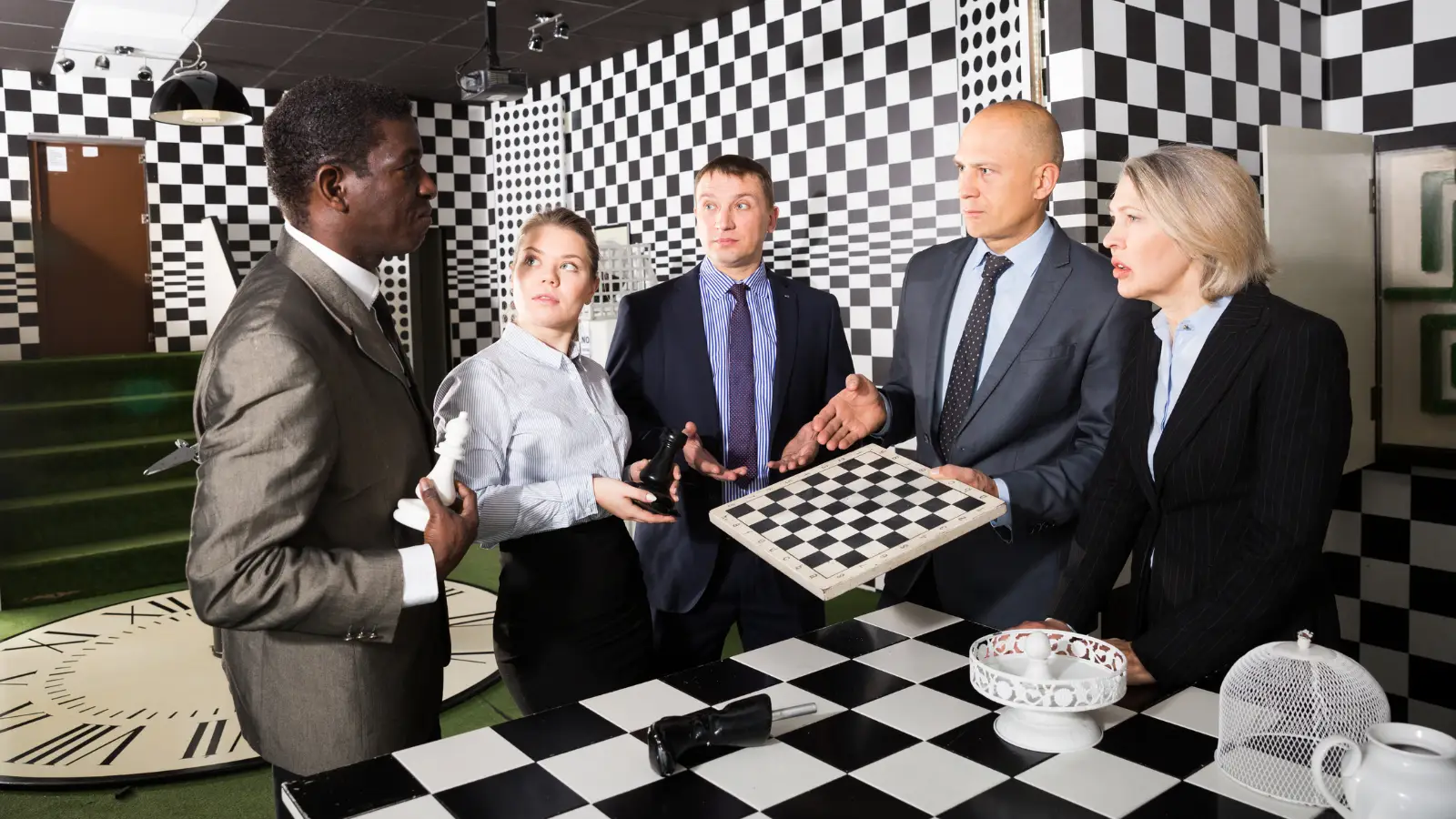
There is a reason puzzles feel satisfying when the answer finally clicks. Activities that force us to analyse information, test ideas and change our approach encourage us to think actively rather than simply follow instructions. This is exactly why escape rooms help critical thinking while still feeling like entertainment rather than a formal learning exercise.
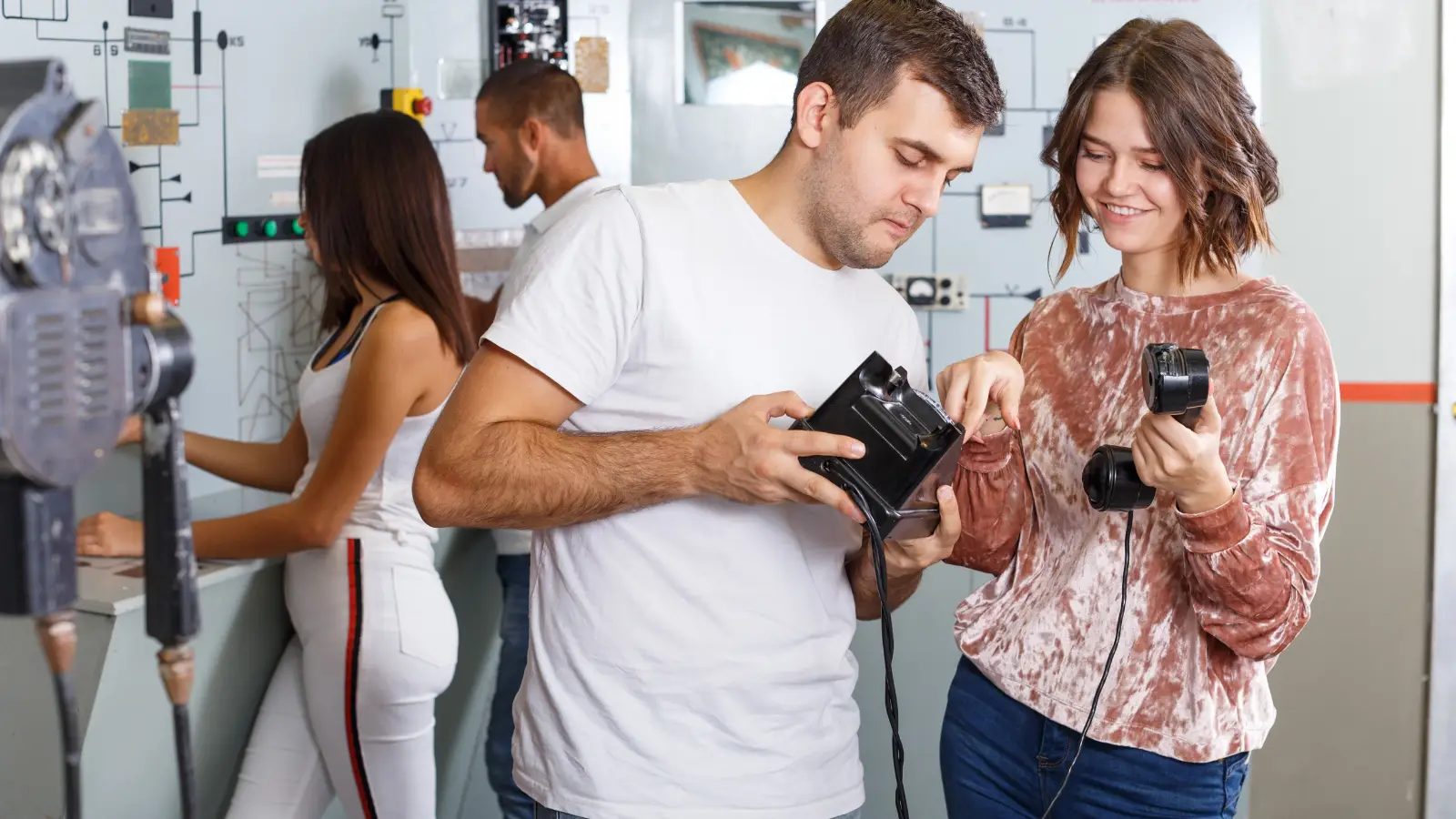
At Courtyard Escapes in Stourbridge, teams have 60 minutes to search for clues, solve puzzles and complete challenges. Success requires more than simply spotting hidden objects. Players need to work out what information matters, recognise patterns and combine different ideas before time runs out.
How Escape Rooms Help Critical Thinking
Critical thinking involves evaluating information before deciding what to do with it. Escape rooms create an environment where this happens repeatedly.
Players may find several objects or clues at once, but not everything will immediately make sense. The team must determine:
- Which clues connect
- What information might be irrelevant
- Whether a previous assumption was incorrect
- Which puzzle should be tackled first
- When a different approach is needed
Courtyard Escapes deliberately includes both useful and irrelevant objects within its experiences, requiring players to decide what deserves their attention rather than treating everything as equally important.
That process makes the experience much more active than simply answering a set of predetermined questions.
Escape Rooms Help Critical Thinking Through Problem-Solving
Escape-room puzzles rarely require only one type of thinking.
One challenge might involve numbers, another pattern recognition and another lateral thinking. Players therefore need to move between different approaches throughout the experience.
When the first solution fails, teams have to reassess rather than simply repeat the same idea.
This develops an important problem-solving habit: recognising that being wrong is useful information. Eliminating an incorrect answer can move the team closer to the correct one.
Courtyard Escapes describes its rooms as puzzle-packed experiences built around clues, codes and challenges that require communication and quick thinking.
Time Pressure Changes How You Think
Having unlimited time can encourage overthinking.
Escape rooms introduce a clear deadline, meaning players need to analyse information while also making decisions efficiently. That does not mean rushing randomly. Successful teams often learn to recognise when they have spent too long on one problem and need another person to look at it.
This creates useful opportunities to practise:
- Prioritisation
- Decision-making
- Delegation
- Flexible thinking
- Working under pressure
The countdown also makes successful problem-solving more rewarding because every breakthrough moves the group visibly closer to completing the challenge – part of how escape rooms build confidence through problem-solving.
Why Teamwork Improves Critical Thinking
One of the biggest advantages of an escape room is that players do not solve everything alone.
Different people notice different details. Someone may immediately recognise a number pattern while another spots a visual clue that everyone else missed.
Sharing those observations allows a group to build a fuller picture.
Educational environments rely on similar collaborative skills. Resources provided by organisations working with schools regularly emphasise communication, adaptability and problem-solving as valuable skills within learning environments.
Escape rooms provide an informal environment in which those abilities naturally become useful.
Critical Thinking Without Feeling Like a Lesson
Many activities designed to develop thinking skills can feel obviously educational.
Escape rooms work differently because problem-solving is necessary to progress through the story. Players want to solve the challenge because they want to discover what happens next.
That makes them suitable for:
- Families
- Friends
- School or college groups
- University students
- Corporate teams
- Puzzle enthusiasts
Courtyard Escapes specifically promotes its rooms as opportunities for school, college and university groups to develop skills outside the traditional classroom environment.
You Learn to Question Assumptions
A clever escape-room puzzle often encourages players to assume one thing before revealing that another interpretation works better.
This teaches a simple but valuable lesson: the obvious answer is not always the correct answer.
Players need to ask questions such as:
- Have we interpreted this clue correctly?
- Are two objects connected?
- Is there another way to use this information?
- What have we overlooked?
- Are we making the puzzle harder than it needs to be?
That willingness to reconsider ideas is central to effective critical thinking.
Final Thoughts
There are several reasons escape rooms help critical thinking. They combine logical reasoning, observation, communication and decision-making while giving players immediate feedback on whether their approach works.
Most importantly, the skills develop naturally through the experience. Instead of completing an exercise about problem-solving, players actually have to solve problems together if they want to escape.
Ready to put your critical thinking to the test? Contact Courtyard Escapes or book an escape room in Stourbridge today and see whether your team can crack the clues before the 60 minutes are up.